Friday, 5 July 2019

SUMMER BOATING | Exploring the Pacific West Coast

There is no arguing that summer is the best time to be out on the water. It's calmer, it's warm - everything is sparkling. It's the ideal time to interact with our coasts as often as you can. Whether you are looking forward to a few weeks away in a destination you've planned for months, or you are tossing the lines off the dock on a sunny afternoon and setting off to wherever the tide takes you (we hope you get to do this often!), we encourage you to get out there and celebrate the beauty of our coast. 

We here on the West Coast of Canada are blessed with a ton of small islands to explore. Why not get out there and find some awesome coastal hideaways? There are so many hidden (and some not so hidden) spots to discover and tour. Here are a few of our favourites in the waters nearby the Southern end of Vancouver Island and the Gulf Islands. 

Boat Only

For the mariner who wants to visit those special spots only accessible by the sea, these gems are worth dropping anchor for.

Sidney Spit

Just a few kilometres away from Sidney, BC, this narrow finger of land offers thousands of metres of white sandy beaches to wander along. Perfect for a sunbathe, a picnic, or a long, leisurely ocean-side stroll. Pretty much as close as us cold-water mariners are going to get to tropical in these parts!

Portland Island

Get ready to explore the cliffs and beaches along over 10km of walking trails that traverse this Island. Count how many different trees you can find, and identify which grew naturally, and which are part of gardens planted long ago. Pro Tip: Look for fruit you can forage...we give you our totally unofficial permission. Located between Sidney and Salt Spring Island. 

Russell Island

A good stop for a spot with a little extra history. There are still remnants of the Hawaiian Mahoi natives who originally inhabited the Island in the late 1880s. (We sort of get why they left for hotter climates) Located at the entrance to Fulford Harbour on Salt Spring Island.

Wallace Island

There is something inexplicably sweet & calm about this little place. Make your trip an overnighter and stay in one of the campsites (pit toilets & picnic tables available). There is a small dingy dock to tie up to, and stern tie rings to claim. Located in the Trincomali Channel between Salt Spring and Galiano Islands.


Boat or Car

If you're not sure what your summer plans are yet, or you just prefer the spontaneity of heading off on a weekend, boat or car, to whatever local destination is next on the list, these options give you more travel choices, as they can be reached by boat or car.

Ganges, Salt Spring Island

Our hometown! Ganges is at the heart of the biggest of the Southern Gulf Islands, and is where SALT's first store is located. Whether you're coming by ferry, or by a boat of your own, you'll be able to enjoy wandering through the shops, sitting in our restaurants, & interacting with our eccentric locals. Saturdays are busiest but they treat you to the infamous Saturday Market full of local food and artisanal creations. It's a must attend. We're a little biased, but we think it's a great spot to spend a day or a weekend!

Genoa Bay

A bay of rustic buildings and notable charm, with a restaurant that totes a number of high reviews. A good place to relax, or get out and stretch your legs with a hike. Located on Vancouver Island, near Duncan. 

Gabriola Island

A little further North across from Nanaimo, you'll find this small but thriving community. A stop in here promises parks, beaches, and fresh local cuisine. Rent a bike or a scooter and tour the island beyond the marina!

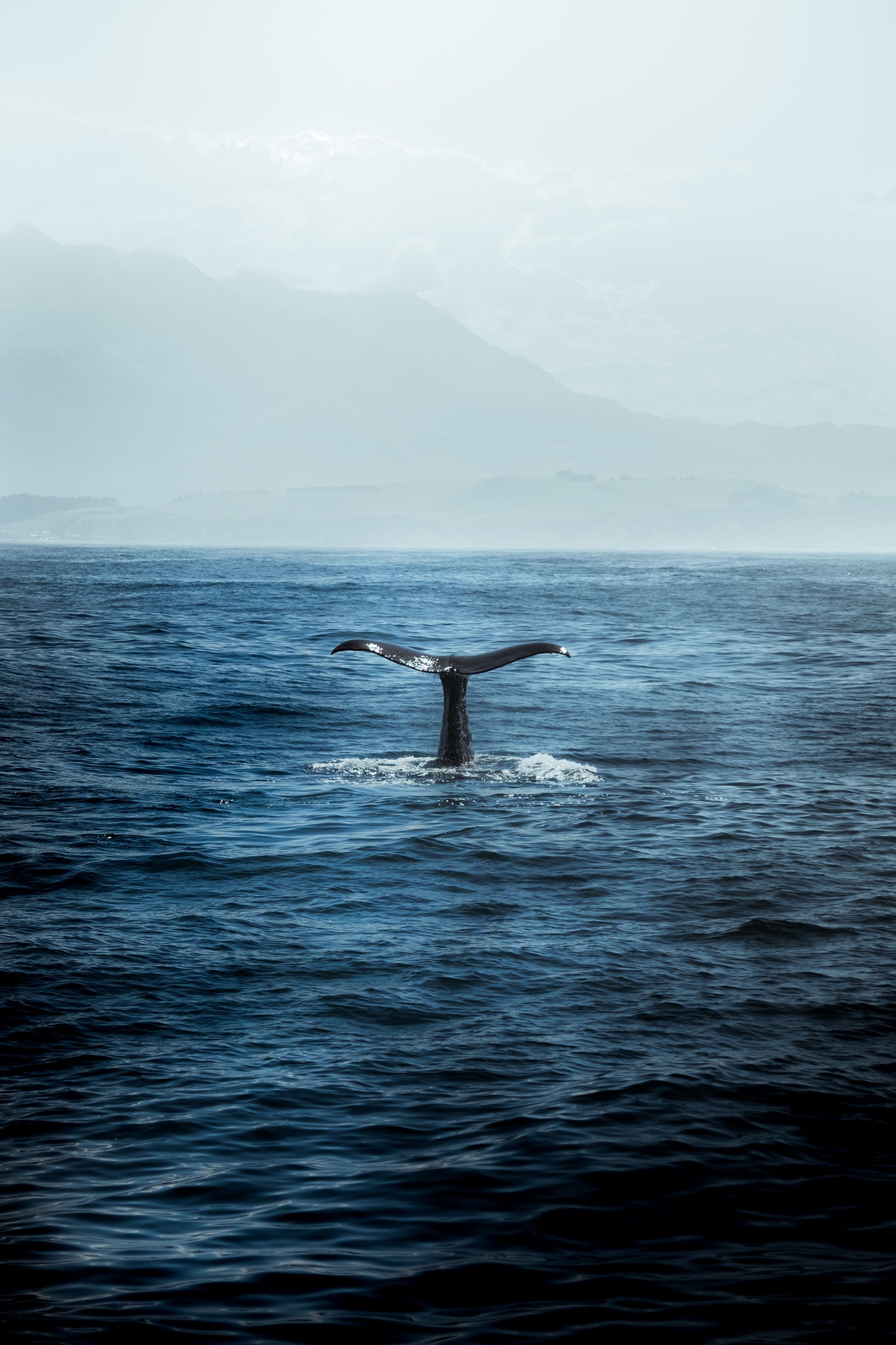
Along the way to any of these beautiful West Coast spots, there are multiple opportunities to swim, fish, and watch marine life like seals, otters, and if you are extra lucky, dolphins or whales. We have one of the most diverse populations of cold-water marine life living in our waters. Spot a spider crab hanging onto bull kelp, vibrant purple starfish clinging to rocks, or playful sea anemones waving their tentacles in a tidal pool or peeking out from under a dock. All these creatures and the habitats they live in deserve our protection. On your merry travels, take care with your waste, your fuel, and where you plant your feet as you walk. Responsible visitors mean those places you so enjoy discovering stay beautiful for generations to come. 

Stay safe and Bon Voyage! We'll see you on the water! 

Where are your favourite places to come ashore in the summer? We are always looking for our next favourite spot! Seriously, we showed you ours, you show us yours.


from SALT Shop - Journal https://saltshop.ca/blogs/news/summer-boating

Friday, 21 June 2019

SALT & STONE | Skincare to Respect the Sea

A lone surfer waits in the waves. Legs straddling her board, bobbing up and down with the timing of the tides. Hot sun beats down on her freckled shoulders. She is simultaneously at complete, unburdened peace, and in-tune with the cadence of the waves as she watches for her next peak. She is one, she is all, she is home.

There are a lot of things we do that are harming the oceans - we know, we say it a lot. We're not going to make a long, overwhelming list that we can't fathom tackling all at once though, we'd rather focus on one thing we're doing that has a pretty easy fix. We are looking specifically at coral. Coral bleaching is becoming one of the saddest and most obvious affects of ocean changes and pollution. 

"Warmer water temperatures can result in coral bleaching. When water is too warm, corals will expel the algae (zooxanthellae) living in their tissues causing the coral to turn completely white. This is called coral bleaching. When a coral bleaches, it is not dead. Corals can survive a bleaching event, but they are under more stress and are subject to mortality." - NOAA

Top contributors are changes in the ocean's temperature, overexposure to sunlight, extreme low tides, and chemical pollution. Now, there is no easy fix for most of these factors, but we can at least be more responsible in our behaviour when we are entering the water. We might not think about it, but wearing toxic chemicals into the ocean in the form of sunscreens, lotions, and deodorants is damaging to our marine ecosystems. 

"When you swim with sunscreen on, chemicals like oxybenzone can seep into the water, where they’re absorbed by corals. These substances can disrupt coral’s reproduction and growth cycles, ultimately leading to bleaching. 

Even if you don’t go swimming after applying sunscreen, it can still go down drains when you shower. Aerosol can often spray large amounts of sunscreen onto sand, where it gets washed into our oceans. Each year, about 14,000 tons of sunscreen end up in our oceans." - National Geographic 

We still need to protect ourselves from damaging rays, and keep our sweat down. The clear choice is to opt for products making an effort to eliminate the kinds of ingredients that are harmful to the ocean, and to our bodies. It really seems pretty obvious, right?

As part of our mission to protect the ocean, we are stocking up on sunscreen, deodorant, and lip balm from Salt & Stone, "...a natural unisex skin care brand based out of Los Angeles, California, with a strong focus on natural, organic, and antioxidant rich ingredients." 

Salt & Stone was founded in 2017 by Nima Jalali. Having spent the better part of his twenties traveling the world as a professional snowboarder, Nima knew what kind of products people who love interacting with the outdoors needed, but he wanted to do it better than the status quo. He was inspired to create organic, natural products that work just as well as (or better than) the common chemical laden options. Nima feels it is our duty and responsibility as global citizens to look after our Earth, and create biodegradable products that will reduce our footprint. We agree!

Salt & Stone currently offers sunscreens, a deodorant, lip balms, and moisturizing oils to care for our skin that we can safely wear into the ocean and wash down our drains. Sunscreen has become a heated topic lately, as our reefs degrade further and further. Salt & Stone's options are formulated using Non-Nano Zinc Oxide. The "Non-Nano" part is important for a few reasons: 1) It means it will sit on top of your skin and reflect UVA + UVB rays, not enter your bloodstream like a chemical sunscreen, so it is safer for us. 2) In order for mineral sunscreens to leave corals untouched, the ingredient particles must be above 100 nanometers in size so that they cannot be ingested by corals. So non-nano is also safer for the marine environment.

Recently, Hawaii has become the first state to introduce a bill banning all sunscreens that contain oxybenzone and octinoxate, chemicals known to be harmful to coral. There have bee a few other places in the world to make similar moves, but as Hawaii is such a popular destination and has a huge surfing community, we are hoping that their bold stance will bring global attention to this issue. Mahalo!


We are excited to have Salt & Stone deodorant in stores for the first time (it smells so good!). It is already one of our most popular items ever! Nima describes this formula as "an extra strength formula for those who are very active." Salt & Stone has spent over 2 years developing the formula and truly believe they have created the most effective natural deodorant ever made. Being that Nima's favourite thing about the ocean is that it creates surf to ride, we figure he has tested the effectiveness of his products first hand many times.

As a serious athlete, we know that Nima needs to have functional products, and we rejoice in the fact that he has taken the natural route to develop them and create a company that believes in his mission.

"We care about using safe and clean ingredients that we ourselves use every day. We use organic ingredients whenever possible so we can support organic farming and avoid the use of all synthetic chemicals which are used in non-organic farming. 

We research and develop formulas with ingredients grown ethically and sustainably without the use of pesticides, artificial fragrances, sulfates, silicones, petrochemicals, parabens, phthalates or GMO’s. All of our packaging is recyclable and made from post consumer recycled materials."

Salt & Stone thinks about every step of the product life cycle, and is always striving for a smaller carbon footprint as they work to expand their SPF and deodorant range in the years to come. We are stoked to have discovered them now, and we can't wait to see how they develop in the future.

With our population growing, and our climate changing, the demand for skin care products is only getting higher. We hope that with a combination of passionate, responsible entrepreneurs like Nima, and progress in our legislation, that we will see brands like Salt & Stone become the new normal.  

So many humans on this planet value our oceans. And yet, there is too much disconnect between our every day actions, and the impact they have on our blue waters. For those of us who live near the sea, we see every day the beauty, utility, and awe-inspiring complexity that the oceans provide us and its ecosystems, but not everyone has those consistent reminders. We have to have the conversations that educate people so they can make the right choices, and support companies who are making conscious production decisions. 

Find Salt & Stone products in-stores or online to be ready for a summer of responsible ocean adventure!


from SALT Shop - Journal https://saltshop.ca/blogs/news/salt-stone

Friday, 7 June 2019

ORCAS | Preserving Nature, Preserving Families

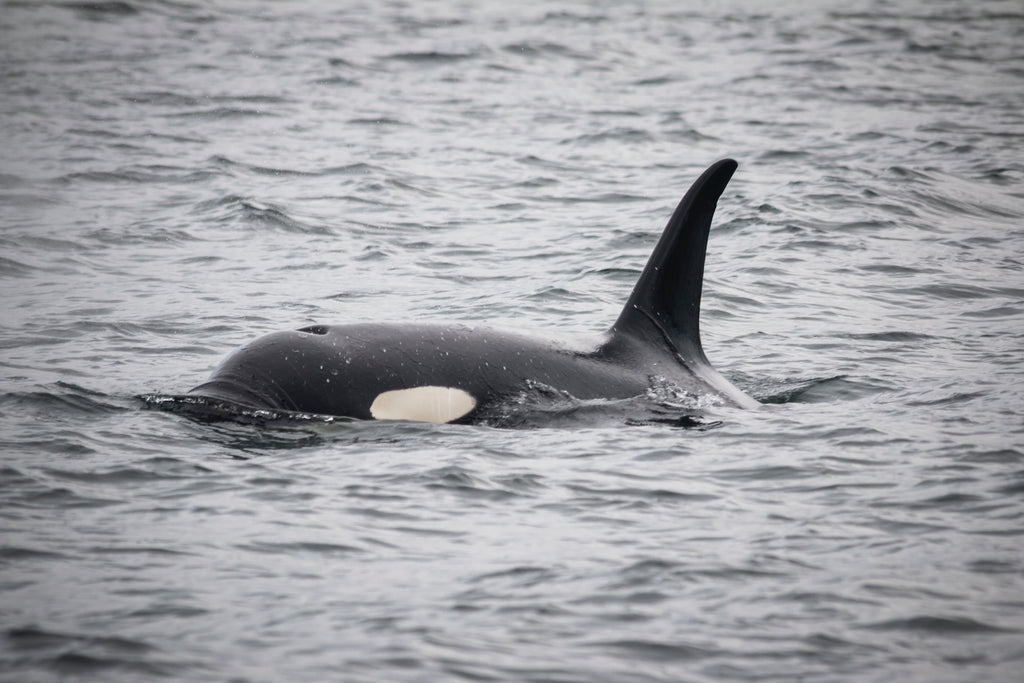
When you think about marine life in the Pacific Northwest, it is unlikely that Orcas won't come up. They have become an icon of our waters. One of the biggest, and most striking animals that represents our stretch of sea, their black and white colouring makes them unmistakable. Although they can be found in other oceans in the world, we do have a relatively high concentration of them residing along the West Coast of North America. They can be even more densely found in the Antarctic, and seem to be able to acclimatize to almost any water temperature. They usually prefer a coastal habitat as opposed to open ocean, although some of the transient pods can be found nearly anywhere from time to time.

Did you know that they are actually dolphins? Or part of the Oceanic Dolphin family more specifically. They are the largest species in the category, weighing up to 10 tonnes and measuring up to 30 feet. There are several biological features that qualify a species into this category. Notable are their fins and their body shapes.

"Oceanic dolphins have a torpedo-shaped body with an inflexible neck,...and a bulbous head. A dolphin skull has small eye orbits,...and eyes placed on the sides of its head. [They] have two flippers on the underside toward the head, a dorsal fin, and a tail fin." -Wikipedia

They are all carnivorous, and can have up to 200 large teeth. Orcas consume other small marine mammals like seals, in addition to fish and squid. They have advanced group hunting techniques, which are really quite remarkable to behold (take a peek here!). Pods from different areas, transient versus resident pods, and the different categories of Orcas within the species will vary in their communication and hunting techniques. Regardless, it would seem that all their methods involve working together. Like many marine mammals, "orcas use echolocation - bouncing sound off of objects to determine their location - to hunt and use a series of high-pitched clicks to stun prey."- defenders.org

Orcas are very intelligent, social animals. They play, they talk, they have familial bonds. There are three broad categories of Orcas: Resident (stick close to shore), Transient (migratory), and Offshore (open ocean dwelling). They travel in pods, which are their families, anywhere from 5-30 on average, although there is no limit to their numbers, save that of their struggle with existence. 

What if, they all disappeared? 

That question makes your heart beat a little faster, doesn't it? What was the first thing that came to mind? Probably questions like "What is threatening them?" "How many are left?" and hopefully, "What can we do to preserve them?" We'd like the answers to those questions too, so we don't have to watch these amazing mammals fade into history.

Currently, there seems to be a lack of data to tells us the exact status of their global population.

"[Their] global distribution and the confusing relationships between populations/potential new species...contribute to scientists not believing that they have enough data to determine the conservation status of the killer whale. Further study and continued monitoring are both necessary to understand any potential risks that this species faces." - oceana.org

However, it is undeniable that they are a threatened, even endangered species. According to this recently released video, the population of the southern resident whales around British Columbia, Washington, and Oregon is at a 30 year low, with only 74 whales accounted for (although a new calf was spotted recently, which is so exciting!). These whales feed mostly on chinook salmon, a species whose numbers are also in decline due to several factors, with climate change heralded as the leader. Other factors in the decline of the Killer Whale population are likely "...increased noise and overcrowding from boat traffic, and an influx of toxic chemicals in their aquatic ecosystem." - oceana.org Orcas are very sensitive to sound, and it is their main source of communication with each other and their environment. If utilizing sound is your main source of finding food and communicating with your pod, having your environment buzzing with loud boat motors is certain to disrupt these processes.

Reproduction is also a challenge. Mothers give birth only every three to ten years, after a 17-month pregnancy. They give birth to one baby at a time, which may nurse for up to two years. That is a long gestation period, which does not leave time for quick procreation of a species. Their young also have only a 50% survival rate, which is a heartbreakingly low number.

Rising water temperatures, increased toxins in their environment and food sources,  lack of food, impending pipelines, captivity, out-right murder - it's not a hard guess as to why the lives of these beautiful creatures are threatened. 

As with many species, marine or otherwise, the Orca's relationship with humans and our behaviour has not been entirely positive. Aside from the byproducts of our way of life messing up their home, we made it a common activity to kidnap them for several decades. Our practice of detaining them for entertainment has been under serious scrutiny over the last several years. As any Free Willy loving moviegoer can attest to (does the trailer make you tear up still too?), the idea of a whale being taken from it's family and placed in captivity where it's living quarters, socialization, and food are all inadequate, seems ludicrous. The documentary Blackfish shows the serious dangers of having killer whales in captivity, both to the whales themselves and to humans. 

In the wild, Orcas have a natural average life expectancy of 30-50 years. In good health and a good environment, they could even live for 80-100 years. "The average age of death for orcas who have died at SeaWorld is 14 years old." -seaworldofhurt.com Whales in captivity are lonely, depressed, and can even resort to self-harm. They experience very real emotions, and with this evidence you could argue that their mental health affects their life expectancy and ability to reproduce. As of September 2018, there are still 61 orcas being held in captivity (us.whales.org) Hopefully someday, we will see that number fall to zero, and their numbers in the wild increase.

So how can we assist in their preservation? Living more responsible lives, being kind to the ocean, encouraging everyone to do the same - all small steps in the right direction. As it is becoming (or always has been) ever so common, the fight to protect anything on Earth comes down to politics. Lobby for better laws, and better protection. Vote against initiatives that threaten their habitats. Being vocal about wanting them to be safe as much as you can is always going to be a help!

Recently, our Owner & Designer Jessica connected with the Saturna Island Marine Research & Education Society (SIMRES) and was named an Action Ambassador.  We look forward to the launch of their Top Actions You Can Take to Help The Southern Resident Killer Whales outreach project. We are excited to work with this excellent local organization to help bring more awareness to the needs of these amazing creatures.

In coastal First Nations cultures, the orca is highly respected for its power and intelligence. They symbolize "...family, romance, longevity, harmony, travel, community and protection." - spiritsofthewestcoast.com After witnessing them, no one can deny that they are magical creatures well-worth protecting. 


from SALT Shop - Journal https://saltshop.ca/blogs/news/killer-whales

Friday, 24 May 2019

HOUSEPLANT CARE | Nurturing Lush Homes

Plants help our planet breathe. Every day, they are taking in what we expel, and turning it into new air, new life. They create nutrients that sustain us. They give our landscapes colour, and variety, and create homes for our fauna. And, they create beauty beyond anything we as humans could manufacture. They are food, art, home, life - along with our great oceans, they are what makes our planet special. Why wouldn't we do all we can to take care of them?

Spring is all about plants and greenery and new growth. Blossoms, buds, foliage, tiny little sprouts emerging from the soil - so much newness! Doing our part to create green spaces is not only good for the Earth, but for our own health. Both outdoor and indoor plant tending creates better spaces for us to live. Indoor plants can help filter our air, lower our stress levels, and increase our productivity. So why don't we all have oodles of plants in our houses? One of the reasons could be that we aren't all skilled at caring for lush, living home decor.

Every one of us can't be blessed with the greenest of thumbs, so we asked our partner-in-plants, Sarah from Botanic Creative, to put together some pointers on how to care for your Houseplants. She is a wealth of knowledge in the world of leafy (and spiky) greens! 


To get started, a few general tips on what you should be focusing on this time of year for your potted companions. Spring is time to:

  • Repot your houseplants into larger containers (if needed)
  • Divide larger houseplants into smaller ones (if needed)
  • Top up the soil level on your houseplants. Fresh soil = happy plants
  • Begin feeding your tropical house plants once every two weeks with a water soluble organic fertilizer (Sarah's favourite is Orgunique Houseplant Tropical 2-1-3)
  • Prune off any dead or dying leaves and branches and prune to shape
  • Give everyone a good dusting. Dust clogs the plant’s pores, making it difficult to respire.

All excellent tips and reminders to keep your natural air purifiers healthy. How about a few particulars though? Like humans, plants are not one-size-fits-all when it comes to care. They need the proper environment to thrive, which means you need to pay attention to the different requirements of each variety.

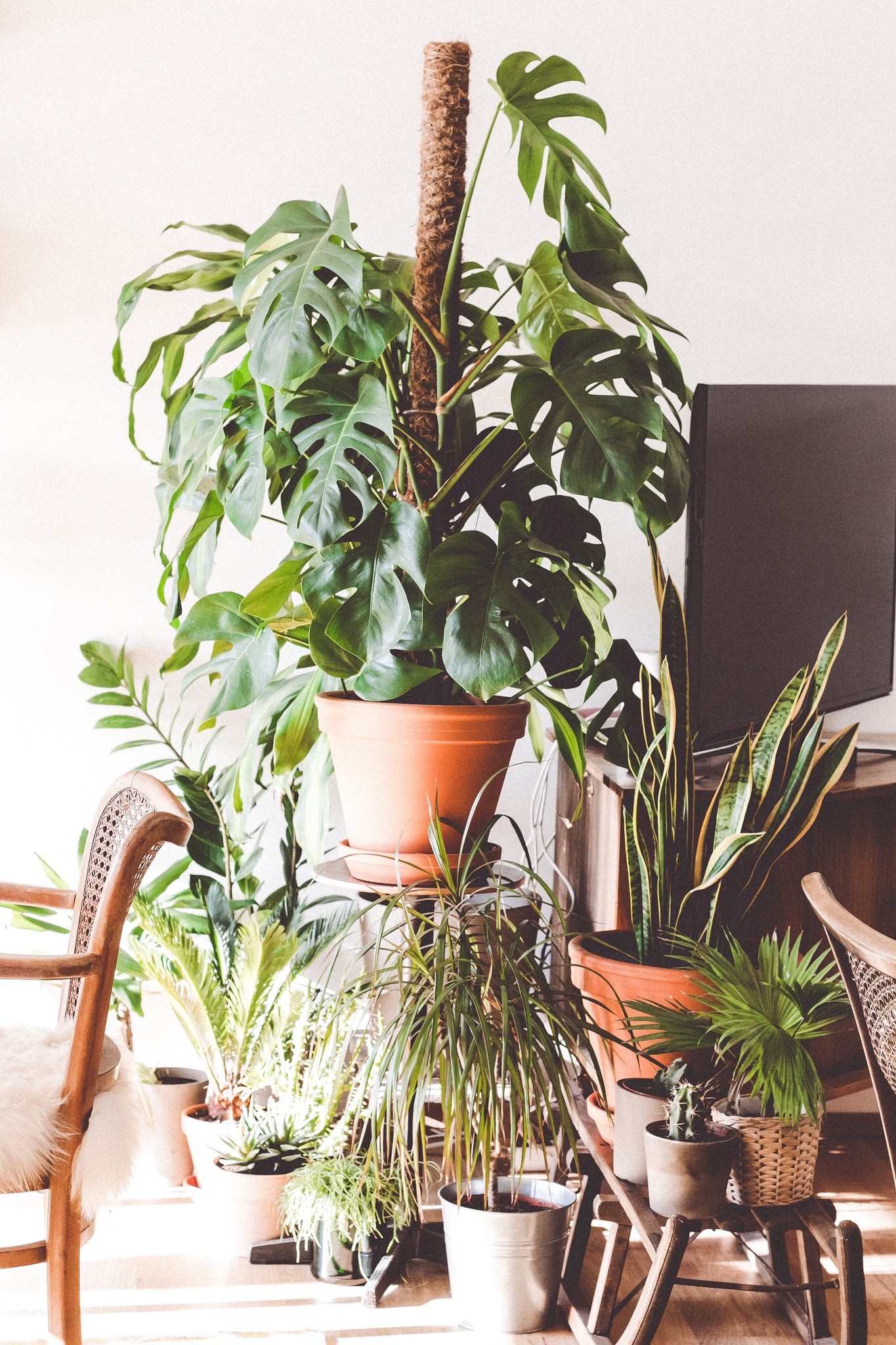
There are so many plants out there, we can't cover them all! We asked Sarah to break houseplant care down into some general categories with a focus on our top faves - Tropicals, Succulents & Cacti, and Air Plants. Below, you hear Sarah's top advice on how to care for these live decor options.

First thing is first: 

LOCATION

"The thing I stress most about plant care: Consider where your plant’s native habitat is. Unsure? Google it. This will give you insight into what conditions it thrives in and you can endeavour to simulate this environment as much as possible. The golden rule: right plant in the right place. When choosing a plant, knowing where it is going to live is most important. Each plant will have specific light, water, temperature, and humidity requirements. Knowing these requirements and the direction your windows face will make your (and your plant's) life easier.


TROPICALS

NATIVE ENVIRONMENT | Lower canopy of the jungle. The light is typically filtered, indirect, or dappled. There is heavy rainfall in the late afternoon, misty mornings. High temperatures mid day to dry upper levels of soil, and then low nighttime temperatures.

LIGHT | Most will enjoy bright indirect light in close proximity to a window. Some varieties can tolerate lower light levels such as a Northern window or farther away from a light source. Some may need higher levels, particularly larger tree specimens such as the Ficus & Palm. Rotate plants regularly to ensure even growth. A daytime temperature between 18° to 24°C with a 3° to 5°C drop at night is comfortable for most. Some enjoy a summer holiday outside such as Citrus & Hibiscus, but make sure they are not in full sun all day. When temperatures drop below 15°C it's time to bring them inside. TIP: treat plants for disease/pests before bringing inside!

WATER | Most will need a thorough soaking, then let the top 3" (1" if the pot is < 6") of the soil dry out between watering. Soil will dry out slower in cooler months so water less. Push your finger down far into the soil to check for dampness. Soil will appear loose, powdery, and light in colour when dry. If there is mold on top, remove and let the top 4-6" dry out well. Most will enjoy between 50-60% humidity. In the winter, tropicals suffer from our warm, dry homes. Ways to increase humidity include: misting daily, a pebble tray, running a humidifier, grouping plants, and showers.

TIP: Most tropical plants love a good shower! The water running through the soil removes any mineral build up and the leaves appreciate the soak. This can be done in your shower or with the hose. 

SUCCULENTS & CACTI

TIP: 'Succulent' is an umbrella term for any plant that collects and stores water. Cacti are in fact succulents, but are defined by the presence of 'areoles', the cushion-like mounds where spines come out.

NATIVE ENVIRONMENT | Sub-desert environments complete with shrubs and trees to provide protection from the intense afternoon sun. Hot dry summers with either intermittent rainy periods or a significant rainy season. Most cactus species will thrive in full sun. 

LIGHT | Most succulents will want as much bright light as possible, however some varieties will actually burn in direct sun such as Haworthia and Aloe. Cacti prefer full sun, but can tolerate lower levels, however growth will be stunted. Rotate plants regularly for even growth. Varieties such as Sempervivum and some Sedums are winter hardy on our West Coast, but most succulents cannot tolerate temperatures lower than 15°C. Some varieties, such as Kalanchoe and Aloe will go dormant in the intense heat of summer and others, such as Euphorbia and Agave go dormant in the cooler months.

TIP: If you like to put your succulents outside for the summer months, be sure to acclimatize them to full sun. Keep them out of the hot afternoon sun before slowly introducing them to more light. Treat for pests and disease before bringing back inside.

WATER | The golden rule: saturate soil evenly and thoroughly, drain out any excess water, and repeat as soon as the soil is completely dry. For cacti, same technique just let the soil stay dry for about 2-3 weeks. In the summer you may be watering up to once every 2 days depending on heat, pot size, soil quality and the plant! In the cooler months make sure the soil is absolutely dry before watering.


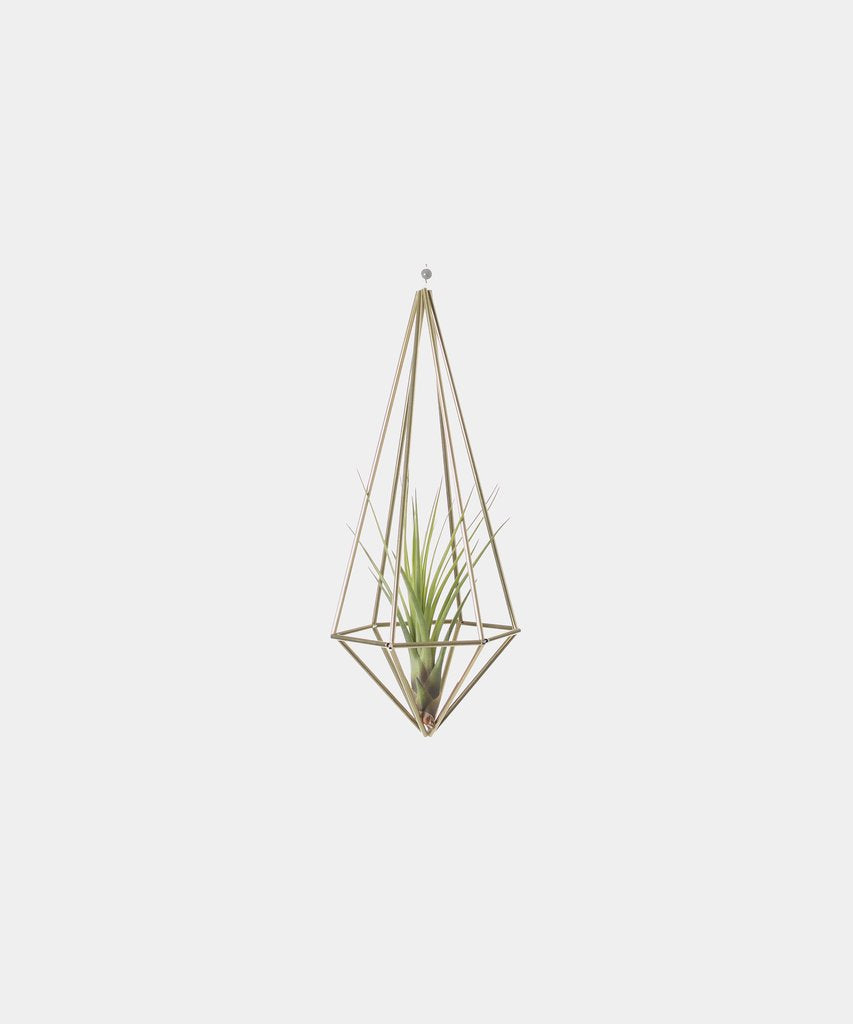
AIR PLANTS

NATIVE ENVIRONMENT | These guys are found in Central/South America and some parts of the Southern United States. They are epiphytic, meaning rather than growing in soil on the ground, they attach themselves (of a non-parasitic nature) to larger trees and structures where they absorb most of their nutrients and moisture via their external fronds. Sunlight is typically filtered through the canopy.

LIGHT | They prefer bright indirect light, keep out of direct afternoon sun. They do not survive in artificial light ie: your bathroom with no windows. 

WATER | Gather up all your Air Plants and soak them (pool party!) in your sink or a bowl of tepid water once/week for 20 minutes. Remove and rigorously shake out excess water and place upside down to dry for the day. Air Plants absorb moisture best in the morning, so I usually soak in the morning, place upside down for the day, come home from work and put them back in their homes. In addition to soaking, you can mist with water as often as you can remember!

TIP: These little guys grow in length and diameter as they age. Once they feel life has run its course, they will push out an exotic flower which will last for months. Once this flower fades the mother plant will begin to push out ‘pup’, or smaller versions of herself. Keep the pups attached to the mother plant until they are 1⁄4 of her size, then remove. The mother plant will continue dying. This whole process can take up to 1 year!"

That's the basics! For extra tips on drainage, fertilizer, propagation, and any other plant species you may be wondering about, Botanic Creative is a great resource. Check out Sarah's Workshop page to learn about the different topics she is available to teach you about. We have had her lead sessions in the store before and it is a blast! 

Find your next tropical, succulent, cacti, or air plant in both of SALT's locations, provided by Sarah, cared for by our (now) well-educated team! 


from SALT Shop - Journal https://saltshop.ca/blogs/news/houseplant-care

Friday, 10 May 2019

ARIELLE MOORE | The Artist, The Student, The Weaver

"What do you want to be when you grow up?" This question seems to be one of the most asked by adults to youth, even though, we remember that many of us didn't know the answer to that question until decades later! (Or still don't?) When you ask little people what they want to be these days, we are hoping that the answers are starting to get a lot more open ended, and free. Answers like "I want to be creative" or "I want to run my own business" sound like much more exciting answers than just picking one career you don't even understand yet, don't they?

Wether they are discovered in a classroom, or out in the world, the exploration of your passions will always be a moving target. The pursuit of learning should never end. Graphic Designer and Textile Artist Arielle Moore is in her third stint of post-secondary education, and experiencing for the first time feeling like she is really doing what is right for her.

Currently in her final year of her Graphic Media Design Diploma at Pacific Design Academy, she is enjoying being the only one relying on her skills right now. Most of her creative energy is going towards the program, although as a small business owner and artist of multiple mediums, she is never only doing one thing. 

"I am so grateful that I’m able to have diversity in my work! I think the part I find most enjoyable is that I’m always learning something new."

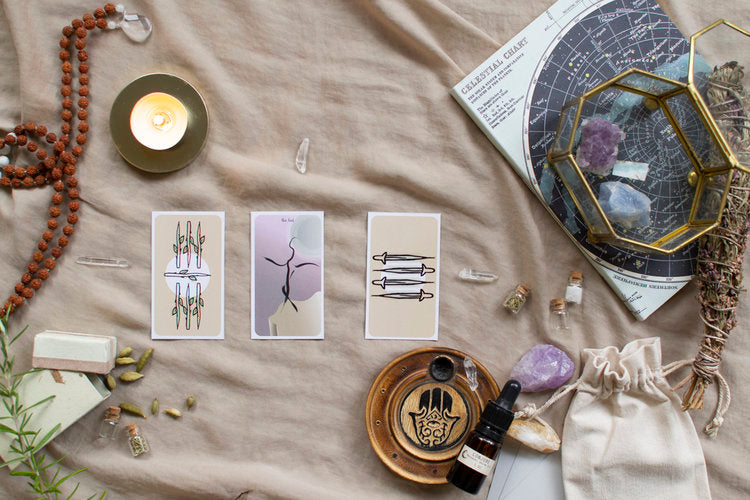
-Tarot Card Deck designed by Arielle

Arielle is a Victoria native and has found herself "...on all sides of the creative entrepreneur hustle..." at one time or another. She has worked in many positions, and still finds herself juggling multiple roles. She is a part of Picot Collective, a local company that distributes its own fragrance line (Honey Tobacco), and hosts Seasonal Artisan Markets, which Arielle assists in organizing. She works for her own design clients offering brand identities & marks, social media templates & content creation, packaging design, and product photography. If you are a prospective client, you will encounter the "We'd Work Well Together If" section of her website. Arielle really enjoys "getting to work with so many different kinds of business owners [and] always learning about niches [she] never even knew existed." However, it is important to her that she connects with her clients, and that they connect with her approach to design. 

"I think it’s important for every client to connect and align with who they choose to work with (and the same for contractors taking on clients). Trusting someone else with an aspect of your business is a big deal and can be quite stressful especially if it’s the first time you’ve done something like that. I think who you contract to do work for you should be chosen with the same care as hiring an employee. You want to be sure that your values align, and in something like graphic design, that your style and the designer’s style are well suited to each other. It helps make something that could be stressful into something that is exciting and a great benefit to your business for far longer than just one job." 

What drew SALT to Arielle were her creations as a weaver. Arielle has been working as a textile artist since 2014, and finds her inspiration in colour, texture, and the Saori Philosophy. That intrigued us, so we asked her a little more about it.

"Saori is a relatively modern method of weaving created in Japan. There are no rules, there are no mistakes, and you simply create intuitively, putting yourself into the work...There’s a rhythm, peace, and fluidity to it....One of the 4 principles of Saori is to ‘Consider the differences between machines and people’ I think that says so much! There’s charm in imperfections, and in handmade things. What’s the point of making something by hand if it looks like it was made in a factory? It seems so obvious but a lot of creators often forget that, myself included, and we work to “perfect” every bit of personality out of our work. Getting into that Saori mindset keeps your personality involved and reminds you there are no mistakes in being creative!"

What a beautiful approach to creativity.

Arielle works with natural fibres in her weaving, mostly cotton and wool, but also sometimes silk, linen, and jute. She looks for things that will create unique textures. And most of her materials are repurposed or thrifted, an aspect of her art that is important to her on multiple levels: it's cost effective; it is environmentally friendly; and it keeps her materials unique and out of the spectrum of trendy, so that her art always stands out.

As her program comes in a close in June, Arielle will be looking forward to settling  her "...business and life into a space where between weaving and graphic design [she's] supporting [herself] 100% on [her] creative skills." Every creative's dream, is it not? 

We are happy to support her in that goal. We are lucky enough to have several of Arielle's pieces in our shop, with a particular ocean-ish theme, something we are obviously passionate about and as a West Coaster, something Arielle can't imagine living away from. She also created a beautiful, large woven piece that hung in our Victoria location's window and welcomed guests into the store.

We are always happy to see creative women pursuing their dreams and making their past selves proud. 

Shop Arielle Moore here and in-store.


from SALT Shop - Journal https://saltshop.ca/blogs/news/arielle-moore-the-artist-of-many-hats

Tuesday, 7 May 2019

Aug. 9 | SALT Victoria Opening Party

Our doors in Victoria are OPEN! And we need to celebrate!

Join us on August 9th as we take over the Fort Street Commons outdoor space behind our shop. It will be a fresh summer evening of:

Sustainable Shopping
Live Music - Vince Vaccaro
Local Beer - Salt Spring Island Ales
A few fun surprises...

First 50 people to spend $150 in-store receive a free SALT tank!
*While quantities last.

Proceeds from the evening go towards Sea Legacy, a Vancouver Island based collective of some of the most experienced and renowned photographers, filmmakers and storytellers working on behalf of our oceans.

https://www.sealegacy.org/

We are so proud of our new space and we can't wait for you to see it. Get the details of how it all came together up on our blog now!

https://saltshop.ca/blogs/news/victoria-opening

Didn't Make it to the event? Check out some highlights below


from SALT Shop - Journal https://saltshop.ca/blogs/news/aug-9-salt-victoria-opening-party

Friday, 26 April 2019

MATERIAL WORLD | Plastic vs. Glass. vs. Aluminum


Always having a reuseable option on hand. Saying no to extra packaging. Shopping in bulk. There are many small ways we can reduce the number of containers we purchase, an important step in reducing the demand our society has developed for single-use items. However, sometimes we do need an item or two that requires bringing home a container that we won't re-use in our home forever.

What we have been wondering, is when presented with the option to choose between plastic, aluminum, and glass, what is the best choice? (This comes up most often with food storage) Turns out "best" is a relative term when it comes to answering this query. It sort of depends on what you are most concerned about: Emissions? Reusability? Climate Change? We really would like to have an answer that tells us what is the best option from an overall perspective. Basically, what makes the least impact?

We aren't the only ones who are curious about this quandary. We reviewed several articles from different organizations, and considered these 3 materials from a production, transportation, and life-cycle perspective. It was hard to decipher the biased information from the facts, but we think we have assembled a decent guide to help make this decision. 

It seems to be fairly universal that the single-use plastic is always the worst option, but for argument's sake, let's compare.  

Plastic

  • Most raw materials that go into plastic production come from crude oil. Which means, to get plastic, we need the process that mines fossil fuels out of the ground. We know this is wrought with environmental issues. It takes a lot of energy, it produces air pollution, water pollution, and has the potential to cause serious damage to natural ecosystems. From the crude oil stage, there are several steps to process the raw materials into useable polymers, again using more energy and resources.

"In 2007, researchers Peter Gleick and Heather Cooley estimated that satisfying the existing bottled water demand required the energy equivalent of between 32 and 54 million barrels of oil — that means producing plastic bottles each year releases more greenhouse gas emissions than over a million cars on the road. In 2013, the International Bottled Water Association released a study that estimated it took 1.39 liters of water to produce 1 liter of packaged water." - Recyclebank

  • Transporting plastic is easier and cheaper than other materials because it is so light and there is less risk of breaking it or denting it, so it can be packed in together tightly. It therefore uses less energy to get it between points.
  • Although recyclable to a certain point, if plastics end up in landfills, they will take at least 450 years, if not 1000 to break down. And as they do, they will leach contaminants into the ground as they decompose.
  • Another thing to consider is the impact on yourself. Do you really want to consume food or drink that has been stored for long periods of time in a material that comes from fossil fuels? Who knows what is leaching out of those containers. Yes, many plastics are approved and deemed safe, but we can't help but still wonder...
  • Note: These facts refer to the more traditional plastics made from fossil fuels, and do not account for the tech that is coming up these days like bioplastics, avocado plastics, mushroom plastics, etc. We will explore that soon!

Aluminum

  • Aluminum starts out as bauxite ore (which polished up in its natural form is actually quite pretty). Extracting the mineral from the ground is not a great process. When done especially irresponsibly, it can contaminate water sources and leave the landscape scarred and basically unuseable, especially to any wildlife that once made a home there. From the mine, the raw materials need to be refined, smelted, and made into cans. Even without any details, that all sounds like it is likely to take up a lot of energy (it does). Plus, most of the mines exist in countries like Australia, China, Brazil, India and Guinea, with nearly none existing in North America. So either the finished product or raw materials must be shipped to all other countries.
  • The benefit of aluminum cans is that they are lightweight and not as easily damaged as glass, so transporting them is easier, or at least uses less fuel. More can be moved at once, and with less protective packaging.
  • There are positive reports on the recycling of aluminum (although the stats we found were from the USA). They are completely recyclable, which is great, and seem to be the most commonly recaptured material from the recycling process. And it takes a fraction of the energy to create a new can from recycled materials, then from raw materials. So a recycled aluminum can is a decent option, and could even end up back in your home in less than 90 days. Those that do end up in landfills however, take over 500 years to break down and leach chemicals into the ground, much the same as plastic. 

Glass

  • "Glass is made from readily-available domestic materials, such as sand, soda ash, limestone and “cullet,” the industry term for furnace-ready recycled glass." - Glass Packaging Institute That won't always be entirely true, as those raw materials don't exist just anywhere, but they are more common than say bauxite. It also depends on what the glass is being produced for, and if it needs additional components. "Glass makers use a slightly different process depending on the type of glass they want to make. Usually, other chemicals are added to change the appearance or properties of the finished glass." - explainthatstuff.com
  • All the raw materials have to be heated in a furnace to melt together, and then poured into molds to make bottles and containers, or into forms to make window panes. This takes energy to heat the ingredients and run the machinery needed to form the final products. 
  • Transportation is where glass loses points. It is heavy, so it takes more fuel, And it is fragile, so not as much of it can be packed together tightly, and it requires more protective wrapping. 
  • Recycling glass can be expensive and complicated as well. Glass needs to be sorted and decontaminated, crushed, transported to another facility, and then combined with raw materials and melted in a very hot furnace. That's quite a bit of energy expenditure. It would seem that not as much glass makes it into the recycling process as even aluminum, which is really too bad since "...glass is 100% recyclable and can be recycled endlessly without loss in quality or purity." - Glass Packaging Institute Glass that does make it into landfills will stick around for a million years, but at least they are inert, and will not leach anything harmful into the surroundings.
  • Even with it's difficulties in recycling, it has been estimated that glass has the lowest carbon footprint, which at the end of the day, might be the most important measure.
  • One thing we did not see mentioned is that glass containers generally have metal lids to seal them, or even plastic, so even when you are choosing glass, you are usually choosing a small amount of another material. Something to keep in mind.

Much like these other articles have concluded, petroleum based plastics are out of the running and it would seem there are positives and negatives to both glass and aluminum. If you are someone who likes to re-purpose items, glass is probably your best bet. With the lowest carbon footprint overall, and no danger of chemical leaching, it has lots of positives stacked in its favour. However, aluminum products tend to have a higher percentage of post-consumer content, and are easier to transport.

You may be presented with this dilemma when purchasing things like sauces and beverages, things you can't make at home; we hope this information helps. When it comes to food, as much as you can, opt for whole foods that you can buy using reusable containers and cloth bulk bags. Cooking at home more also decreases the amount of single-use containers you use.

One more note on recycling. The sad thing we have to think about, is no matter how good we are at home, many items that we meticulously sort out into bins don't get recycled. That doesn't mean we shouldn't still do it though! Taking your items to the recycling depot or putting them in a blue bin for pick up is still good. We need to show policy makers who have the power to fund programs that we care! So stay on top of those initiatives and always do your best to responsibly re-use or recycle your containers. 

Now, we haven't visited landfills, we haven't been to bauxite mines, or oil fields. We are basing our opinions in what we are trusting are the facts. Pulling raw materials out of the Earth never really seems like it ends well; these resources are not infinite. Every generation is on borrowed time, borrowed from future generations. What we are hoping, is that we will see a globally recognized need to slow down the pillaging of our Earth. It just can't take it. Remember your 4 Rs: reduce, reuse, recycle, and refuse. And make the best choices you can.


from SALT Shop - Journal https://saltshop.ca/blogs/news/material-world-how-much-does-it-cost