Thursday, 14 July 2022

Everything you want to know about Tencel fabric

“Call it eco-fashion if you like, I think it is just common sense”

- Livia Firth.

From labor practices to production, to by-products, the buzz of sustainable fashion has been growing for decades. In our shops we get to teach people on the daily about the sustainability of tencel fabric. But believe it or not, it was in the 80s that tencel first hit the market as what was then called Lyocell. Today it’s used in many sustainable and eco-conscious fashion brands across the world and has even started making its way into couture gowns and oscar dresses.

What is Tencel Fabric?

Tencel, or Lyocell is a natural fabric made using regenerated cellulose fibers obtained from the bark, wood, or leaves of trees. How someone went from staring at a tree to figuring out a way to make it into a fashionable garment, we don't know, but colour us impressed. 

Tencel’s production practices are owned and protected by Lenzing, the fiber industry’s leader in sustainability.

How Tencel is made

The production of this natural fabric starts with chipping down the chosen cellulose source, until they are small enough to process. Eucalyptus and bamboo are most often used as they grow so quickly and can be maintained sustainably. The chips are treated using a non-toxic and reusable solvent that softens the material into a pulp. The solvent used is designed to be reused; More than 99% of the solvent is recovered for use in the next production cycle. This vastly decreases the amount of water and chemicals used, lowering the environmental impact of Tencel’s production. After the pulp is treated and dried, it is put through spinnerets, a machine that we imagine whirls like a tornado to create the strands that are sent off to be woven into the fabric we know and love.

eucalyptus plant

Unlike synthetic fibers which are not biodegradable, Tencel, and all other natural fabrics are biodegradable; they will eventually return to the earth they came from. We hope this circular mentality towards production and product continues to grow and revolutionize the textile industry. 


Does Tencel Shrink?

The first time you try on something made from Tencel, it is hard to believe that it is made from something that used to shade the forest floor. It is an extremely durable fiber that can be washed or dry cleaned (some versions are dry clean only, so make sure you check the tag). It can shrink to around 3%, so be sure to keep that in mind before deciding on a size.
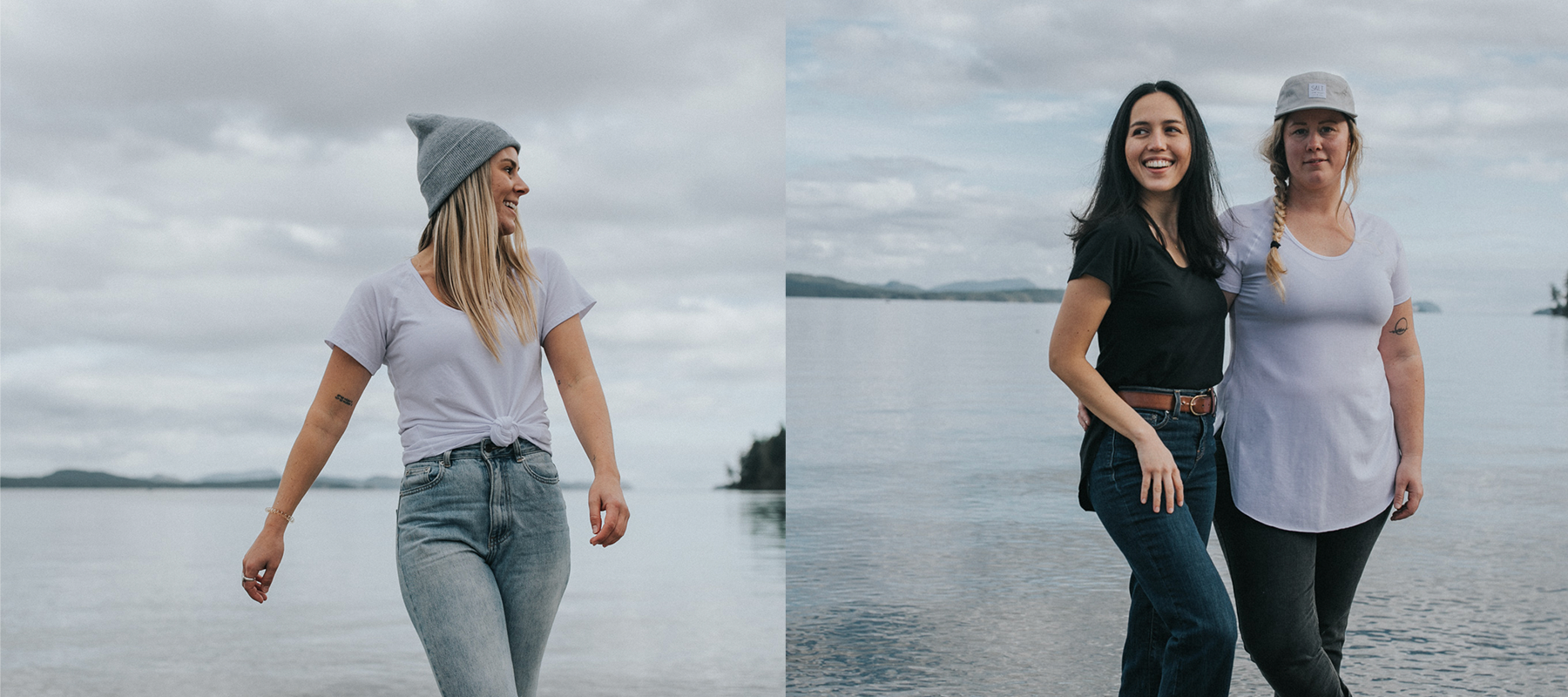
Is tencel Breathable?

Tencel is surprisingly smooth and soft. Our most common comment we hear in the shop is how soft everything feels! Tencel is also incredibly absorbent which allows it to soak up dyes faster, resulting in richer colors and less dye utilized in production, another win! This same quality is also what makes for such a breathable fabric with quick-drying and antibacterial properties due to its ability to handle moisture.


Tencel vs Cotton

Tencel is often compared to cotton because they are both natural fibres that have a similar texture and appearance from first glance. Both Tencel and Cotton are cellulose fabrics known for their durability, softness, and breathability. There are differences however.

  1. Source: Tencel is always be made from Eucalyptus or bamboo that has been harvested from sustainably managed forests and procured from independently verified wood and pulp suppliers in Canada, U.S., Austria, Germany, Czech Republic, Hungary, France, Belgium, Ukraine, Switzerland, Slovenia, Slovakia, Belarus, Russia, South Africa, China and Indonesia. It has a very specific and rigorous vetting system to ensure it’s minimal footprint. Cotton is made only from cotton plants. Organic cotton is far preferred over non-organic because organic Crops must be certified by an external body to guarantee they are being grown according to organic standards which include factors such as use of natural  fertilizers, Crop rotation, composting, and other natural growing techniques  employed to ensure soil health and pest resistance.
  2. The Feel: Tencel can be manipulated during production to take on all types of textures from leather to silk, but most often it is smooth, breathable and silky with a beautiful drape and cooling feel. Cotton is smooth, breathable and softens with each wash.
  3. Look: Tencel looks silky with a slight sheen and holds colour beautifully. It is unlikely to fade over time. Tencel is also wrinkle resistant! Cotton is a matte fabric with a crisp feel that will wrinkle between washes.
  4. Care: Tencel and cotton are both relatively easy to care for and can be machine washed in cold water.
  5. Cost: Tencel is usually more expensive than organic cotton because of its unique production. though non-organic cotton is far less expensive than either, which is reflective of it’s efficiency-focused production. 


Cotton vs tencel infographic

Conclusion: Tencel

SALT has made it our mission to be fully informed about the fabrics we are using in our garments, from roots to closet. We want our elevated basics to not only up your fashion game, but also your environmental one. We encourage you to continue researching all the fabrics in your closet as you work towards a more sustainable wardrobe!


Shop Our tencel Collection


Additional Sources

Lenzing FibersLyocellEco-MarketRayon Cellulose Fiber


from SALT Shop - Journal https://saltshop.ca/blogs/news/everything-you-want-to-know-about-tencel-fabric

Friday, 15 April 2022

Cost Per Wear: The True Value of our Favourite Clothing

As a child, I was raised on the familiar expression ‘money doesn’t grow on trees’. My mother took pride in being the best bargain hunter in town and never paid full price for anything. This meant we spent lots of time at bargain bins and thrift stores, and brand name clothing was definitively off our shopping lists. It’s not that we were always poor, we were just always frugal and proud of it. 


I was in my twenties when I finally felt the insides of a spanking new pair of name-brand running shoes. It was one of my first splurges from my first real paycheck, and it was glorious. Those sneakers traveled with me across the world several times over. They took me on over one hundred international flights. They protected my feet on treadmills and up mountain tops. They waded with me through streams and saw me through the course of multiple failed relationships (the sneakers survived, the boyfriends didn’t). Years later, when they finally started to give up on me at a poorly maintained tennis court, I searched for that exact same pair and knew that I would be willing to pay a premium for it. I had finally learned that being frugal wasn’t necessarily about paying less in that moment, it was sometimes about paying more but knowing that I would be gaining more value from it. 


It turns out there’s a term for this metric. It’s called ‘Cost Per Wear’ and it helps us determine the lifetime value of our clothing through one simple calculation: 


Cost of Item ➗ The Number of Times the Item Is Worn


Calculating a garment’s cost per wear isn’t just better for one’s wallet, it’s better for the planet. The less we purchase, the more resources we save. It’s estimated that every year over ten million tonnes of clothing get disposed of in North America alone!


Today, I can’t help but cringe at all the times I bought a trendy $15 top only to wear it once. Yes, that's a $15 cost per wear! ($15 ÷ 1) 


TRENDY FAST FASHION TOP FOR $15 

NUMBER OF TIMES WORN: 1

COST PER WEAR: $15


Compare that with my favorite sneakers. They cost me around $200, but were worn at least three times a week, every single week of the year for four years (3x/week x 52 weeks x 4 years = 624 times worn). That’s a $0.32 cost per wear! ($200 ÷ 624). 


QUALITY SNEAKERS FOR $200

NUMBER OF TIMES WORN: 624 at least!

COST PER WEAR: $0.32


At face value, the shoes may have seemed like a splurge and the top may have seemed like a steal. But in reality, the opposite was true. The top was worth one wear and the shoes were worth a lifetime (or at least four years). 

Determine the Cost of your wardrobe with our Cost Per Wear Tracker!

Is there a target ‘cost per wear’? This is something I have yet to determine. My guess is that the value remains dependent on the kind of item we seek and our individual lifestyle choices. Still, in its own personal way, I believe this is shopping’s most important metric. If only to cause us to pause and reflect every time we reach for a cute new item. If only to ask - how long will this last us? What is the true value of our clothing? 


Here’s a rundown of some of our team’s most memorable purchases and their cost per wear: 


Lena’s Favourite Salty Item: ULA V-Neck Tee 

How Long Have You Had It?: Over One Year

How Many Times Have You Worn It?: Almost Every Week (and counting) 

Cost Per Wear: $1.12 


Arielle's Favourite Salty Item:Botanical Waffle $84

How Long Have You Had It?: 19 months

How Many Times Have You Worn It?: at least 1x per week

Cost Per Wear: $1.16


Arielle's Favourite non salty Item: Saltwater sandals $80

How Long Have You Had It?: 2 years

How Many Times Have You Worn It?: at least 5x a week in Spring and Summer

Cost Per Wear: $0.33


Jessica’s salty Item: Black Fjord Top $84

How Long Have You Had It?: 5 years

How Many Times Have You Worn It?: at least 1x a week year round

Cost Per Wear: $0.32


Jessica’s Favourite non salty Item: Patagonia Puffer Jacket $349

How Long Have You Had It?: 4 years

How Many Times Have You Worn It?: at least 3x a week in Fall, Winter, + Spring 

Cost Per Wear: $0.80


Jarrah’s Favourite salty Item: Crew Touque $38 

How Long Have You Had It?: 3 Months 

How Many Times Have You Worn It?: 2x Week 

Cost Per Wear: $1.58 


Jarrah’s Favourite non salty Item: Levis denim jacket $150 

How Long Have You Had It? 7 years 

How Many Times Have You Worn It? At least 1x fortnight 

Cost Per Wear: $.82 


from SALT Shop - Journal https://saltshop.ca/blogs/news/cost-per-wear-the-true-value-of-our-favorite-clothing

Saturday, 5 March 2022

Five Brave Female Adventurers You Should Follow Today

Five Brave Female Adventurers You Should Follow Today 


The older we get, the more we’ve come to admire the women in our lives who have taught us to be brave. Bravery can mean a lot of different things to a lot of different people. It can mean quitting a stable job to pursue a not-so-stable passion. It can mean crossing oceans on a tiny boat. It can mean standing up for unpopular beliefs and opinions. It can mean charting unconventional paths in unusual places. There are a lot of brave women out there and they inspire us on a regular basis. 


Here are some of our favourite female adventurers (dare we say, influencers) on the internet. From bloggers to chefs, artists to travel journalists, these women inspire us to go outside, get out of our comfort zones and embark on the wild and beautiful adventure we call life. 


“The world belongs to the brave.” - Eva zu Beck 


Sarah Glover 

IG @misssarahglover 

sarahglover.com.au


Chef, Author and Outdoor Enthusiast Sarah Glover has been our outdoor cooking inspiration for years, teaching us that the best culinary experiences are enjoyed under open skies. She combines our two favorite things in the world - adventure and cuisine - by opening our eyes to the myriad of delectable recipes that can be enjoyed in the wild. Through Sarah, we’ve learned how to roast meat over open fires, bake cakes outdoors, make pizza dough on stone and to do so in style. An experienced hunter and forager, Sarah proves that self-reliance and femininity are not mutually exclusive. Because who said women were meant to stay at home? Who said chefs were meant to be in the kitchen? Who said glamour was confined to the indoors? Not us and definitely not Sarah. “Everything is for everyone,” Sarah says. We fervently agree. 


Eva zu Beck 

IG @evazubeck

https://www.youtube.com/c/evazubeckofficial


Polish storyteller Eva zu Beck is the creme de la creme of travel bloggers. Three years ago, she abandoned her cushy London life with its plush corporate job and postcard-worthy marriage to chase her dreams across the globe. Her trademark expression “the world belongs to the brave” is a testament to the importance of pushing past your comfort zone in the pursuit of discovering your true self. Through her immensely popular Youtube Channel, Eva provides an alternative perspective to mainstream media narratives. She features destinations across the globe that are underrepresented and often misinterpreted. Eva has traveled across Mongolia on horseback, hiked the tallest peak in Antarctica and explored the countryside of Afghanistan, Pakistan and Saudi Arabia, to name a few. We could go on and on about this lady, but we’ll stop there and let you discover her stories for yourself. If there’s one woman (or human for that matter) to inspire you to conquer your fears, Eva’s the one. 


Elayna Carausu 

IG @elayna.carausu 

https://www.youtube.com/c/SailingLaVagabonde


We first learned about this bold adventurer when she and her partner, Riley Whitelum, famously helped transport activist Greta Thunberg (almost entirely) carbon-free across the stormy Atlantic seas. Since then, we’ve followed their weekly video updates religiously. Elayna and Riley are vagabonds in the truest sense of the word. They’ve been circumnavigating the globe aboard their sailboat, La Vagabonde, for more than seven years now. Along the way, they acquired a couple of very important stowaways - their two children, Lenny and Darwin. They document their experiences with refreshing honesty as they navigate the heroic task of raising a family at sea. Their channel is a compilation of jaw-dropping sceneries, nautical tips and crazy adventures. If you’ve been led to believe that adventure and family life are incompatible states of being, Elayna is proof that settling down is not a requirement, nor a recommendation. 


Rachel Pohl Art 

IG @rachel.pohl

Rachelpohlart.com 


Rachel Pohl is a rural artist who produces art and apparel from her beautiful mountain home in Montana. She spends her free time exploring the backcountry on her skis and comes home to paint about the world she experiences. Her idyllic visuals are always accompanied by an earnest expression of self that remind us to embrace the simple things in life. If you’re a fan of art, ethical apparel and mountain life, let her whimsical designs transport you to a winter wonderland far far away. 


Jessica from The Bucket list Family 

IG @thebucketlistfamily 

@jessgee 

thebucketlistfamily.com 


It’s impossible to compile a list of female adventurers on the internet without including Jessica from The Bucket List Family. Moms are brave enough on their own, without deciding to travel with their three children across the globe on a permanent basis. Jessica and Garrett take their adventuring to a whole new level. They’ve journeyed across the world with their entire family in tow, hoping to break barriers and boundaries along the way. Beyond their idyllic imagery, there’s something refreshing about seeing the world through a child’s eyes and watching young adventurers come to be. 


from SALT Shop - Journal https://saltshop.ca/blogs/news/five-brave-female-adventures-you-should-follow-today

Friday, 18 February 2022

How (and Why) to Read the Tides

When Arielle and Mitch set up camp on Mystic Beach last summer, they thought they had hit the jackpot. At the end of a 2km hike, was an idyllic pebble shoreline, flanked on one end by thick rainforest and on the other by a waterfall cascading down a cliff's edge. They pitched their tent on a secluded campsite enshrouded in driftwood logs, separated from the summer's crowds. It was the hottest weekend of the year and it seemed like the perfect time to camp on this magical spot, save for one tiny overlooked detail. 


Everything was going swimmingly (pun intended) until the wee hours of the morning. At two in the morning, Arielle awoke to the sounds of tidal waves crashing against the rocks and logs. A woman started shrieking as her tent rapidly flooded with water. Groups of campers rushed to move precious belongings and entire campsites away from the encroaching water line. Luckily, everything of importance was saved and the large group of campers survived the night unscathed. But they returned to their urban dwellings the next day with an important wilderness lesson: 


Always check the tides. 


Tides affect all aspects of coastal life: swimming, sailing, surfing, fishing and camping on the beach, to name a few. Romantic meanders along the shoreline can quickly turn into embarrassing darts along the beach thanks to a fast rising high tide. 


Our ocean is a magical place, but to fully take advantage of all that she has to offer, we must learn how she behaves. 


WHAT ARE TIDES?


Tides are the rise-and-fall of sea levels caused mainly by the gravitational pull of the moon and the sun. They vary based on the relative positions of the sun, the moon and the Earth, as well as the geographical features of that particular coastline. Many coastlines around the world will have two equal high tides and two equal low tides, however, this is not always the case. Certain protected bodies of water, including our very own Salish Sea, experience “mixed tides”, which follow an uneven tidal pattern (unequal high and low tides). 


HOW TO READ TIDE CHARTS


Since the tides change from day to day and place to place, it’s important to check tide charts or tables as we plan our coastal activities. 


Tide charts present a visual representation of the rise and fall of the tides based on the time of day. 


Taken from https://tides4fishing.com/ca/british-columbia/ganges-harbour#_tides


Tide tables list the high tides and low tides for each day. 


Taken from https://www.tides.gc.ca/eng/station?type=0&date=2021%2F08%2F21&sid=7407&tz=PDT&pres=1


Here are some of our favorite tidal resources: 

  • Tides4fishing
  • Tides.gc.ca 
  • Navionix app

What do all those numbers mean? 


Both tide charts and tide tables give the tide heights based on the chart datum or the average of the lower low water tides in the area. 


What does that mean? 


Statisticians will take the lowest low tide levels of a period of time and calculate the average low tide based on that data. That figure will be considered "zero tide" (or the chart datum)


Basically anything lower than the number one signifies a very very very low tide. 


The high tides are the highest numbers listed during the day. They signify how high over the “chart datum” the water will swell to. 


The greater the “tidal range” or the difference between high tide and low tide on a given day, the more extreme the tides. Low tide will be very low, and high tide will be very high.


Some areas have a much greater tidal range than others, so it's important to know what the tidal patterns are in the area before setting anchor! Southern British Columbia has a tidal range of about 2 meters, whilst the northern coastlines have a tidal range of over seven meters. Meanwhile, The Bay of Fundy in Eastern Canada has a tidal range of up to 12 meters!


Cruise ships in Alaska (where the tidal range is quite large) will sometimes have to move the gangway from deck 4 to deck 7 (3 full stories!) in a matter of hours. 


HOW TO APPLY TIDE CHARTS IN REAL LIFE


Find a Tide Chart Based on Your Location 


A simple google search with the keywords “tide chart” and your location of choice will likely provide you with a chart to suit your needs. Be as specific with the location as possible. 


Look for the specific date and time of your beach activity 


Tides vary from day to day. As you plan your coastal activities, you can check for the tide predictions a few weeks in advance. We do recommend rechecking those tides closer to the actual date if you have a big activity planned.


When planning a beach picnic, bonfire or a day of digging for clams, plan for the lowest tide possible.


Extra tip: The wider the tidal range on that day, the lower the low tide!  


When camping on the beach, make sure to set camp above the highest high tide mark for that time period.


When going for a walk along the beach, check to see if the tides are rising or falling. 


Sailing over shallow waters? Plan to sail over high tide


Watch Out for Tidal Currents!


As the ocean moves from one tidal extreme to the next, a current will form, pushing the water in or out. This is important to remember when taking a kayak or paddle board out into the great blue sea. If you’re having an easier-than-normal time paddling out to sea, that may be because a current is working in your favor. Be wary! For once you decide on heading back in, that same tidal current could start working against you. 


Don’t always expect a regular tidal pattern. In areas with “Mixed Tides” (such as the Gulf Islands), the tidal heights can sometimes plateau 


This means that the high tide will sometimes stay high for an extended period of time. Make your plans accordingly! 


Remember: A little tidal knowledge goes a long way! 


from SALT Shop - Journal https://saltshop.ca/blogs/news/how-and-why-to-read-the-tides

Uncovering the Benefits of Cold Water Swimming

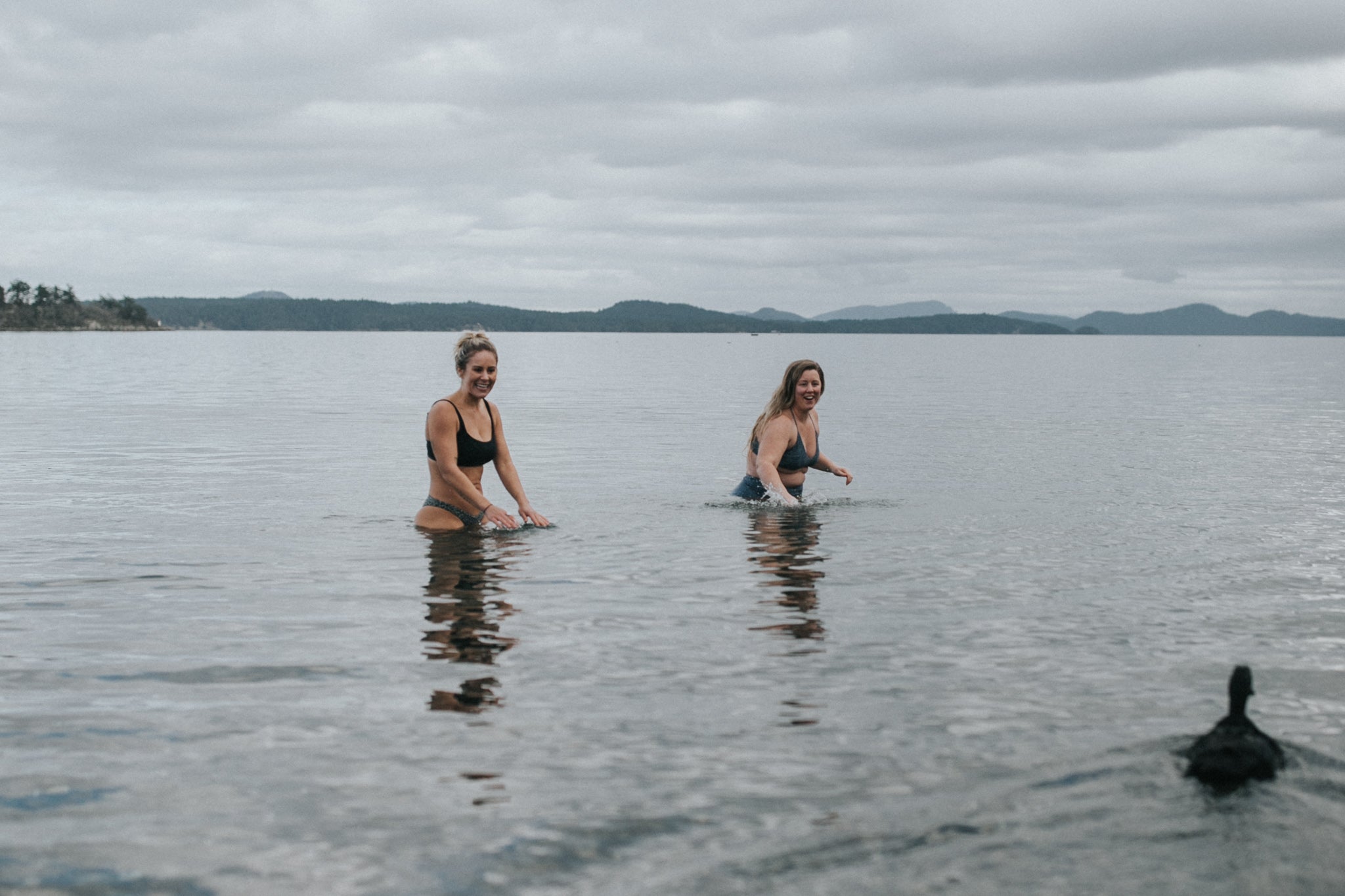
There is a delirious amount of hype that surrounds any activity that bears the word “healthy”. We are here to answer the big query behind the trend: Is cold water swimming as beneficial as they claim? And is it truly worth that searing shock that engulfs your entire being? 


It’s impossible to trace the beginnings of mankind's deliberate plunge into the cold sea. What we do know for certain is that these intentional icy dips have been around for a very long time. One of the first written accounts of the benefits of cold water bathing can be traced back to 400 BC. Hippocrates, the father of medicine, discussed the potential of cold water therapy long before Jesus had the chance to turn water into wine. 


Clearly, this pastime is no modern day invention. In Canada, the polar bear swim is a well known New Years Day tradition. In Norway, Finland and Sweden, ice swimming is inextricably linked to their culture of saunas and winter bathing. In Russia, every year, thousands of Arctic residents take an icy plunge to celebrate the Feast of the Epiphany. Yet despite its long-standing existence, cold water swimming has, until recently, been limited to select groups of peoples; extreme athletes who revel in pushing their bodies to the limits or far-flung cultures where swimming in the cold is viewed as a necessity, not a hobby. 


Today, it’s a different story. 


Thanks to a modern wave of health claims (and a sensation named Wim Hof), millions of people across the world are making that courageous choice to ditch their winter coats and dive right in. Cold water swimming is everywhere and anywhere that warrants the use of a sweater. And who can blame them? The well-advertised claims are hefty. They say it can help with your headaches, your muscles, those extra 10 pounds, your lingering anxiety and even your overall immunity. 


Could all of this be true? 


We sifted through the health blogs and trendy documentaries, to see if there was any rhyme to their reason, and what we uncovered was a pile of overwhelming scientific evidence. There’s almost too much data to include in one article. For the winter water skeptics out there, we’ve learned that cold water swimming isn’t just good for the body or the psyche, it’s downright exhilarating. 


  1. It Boosts Your Immune System. Increasing evidence supports the theory that cold water shocks help stimulate our immune system. Several studies also report higher white blood cell counts in cold water swimmers1. Given that white blood cells are our body’s key to fighting infection and disease, cold water-induced immunity is sounding pretty promising!

  1. It’s Good For Cardiovascular Health. Whenever we take an icy plunge, our hearts are forced to increase blood flow throughout the body, leading to improved circulation. Various studies have shown that repeated exposure to cold water has a “positive impact on cardiovascular risk factors'', decreasing triglycerides and homocysteine which are linked to heart disease.1 In another study, regular cold baths were shown to decrease blood pressure and lower cholesterol.4 

  1. It’s A Stress-Reliever. A lot of things happen to our bodies when we undergo that initial icy shock. On one hand, our bodies are flooded with endorphins that provide pain relief and an immediate sense of elation. On the other hand, as we learn to adapt to the stress of the plunge, our bodies also, inadvertently, become better at adapting to other forms of stress. It turns out that the more we plunge, the better we become at handling everyday anxieties.2

  • It Increases Your Metabolism. Studies have shown that swimming in cold water increases your basal metabolic rate, meaning you burn more calories for longer. 

    1. It Helps Combat Depression. Cold water bathing is now being used as an alternative therapy for patients with severe depression and anxiety. The results have been overwhelmingly positive. One case study discusses a clinically depressed woman in her twenties who, after years of unsuccessful medication use, was prescribed regular cold water therapy. After just a few sessions, she showed signs of improved mood, and in just one year, she was declared completely drug-free.1 


  • It’s a Great Way to Connect with Strangers. There’s nothing quite like shared adversity to unite a group of people. “When you have the cold sea to face together,” cold water enthusiast Dani explains “you will connect and unite instantly.” 

  • It Feels Amazing. For the uninitiated, it’s hard to imagine that the benefits of a cold water swim outweigh the pain of its plunge. Science (and overwhelming anecdotal evidence) are here to tell us that they do. Two minutes under icy water can result in hours of euphoria. The surge of happy hormones is both physically and mentally uplifting. “It’s exhilarating.” Jessica Wilson declares. “It makes you feel alive!” 
  •  


    For many, conquering the cold is tantamount to waging victory against our greatest fears. It transforms the frightening into the rewarding, allowing the rest of life to feel easy. We’ve also heard that the euphoria one gets from a cold-water plunge is nothing short of addictive, hinting that this winter pastime is no passing fad. After all, if it doesn’t make superhumans out of all of us, it’ll at least fill us with delirious amounts of glee. 


    NOTE: Today, cold water swimming is practiced by individuals of all ages and fitness levels. But it’s important to note that cold water swimming comes with some risks and should be approached with caution, especially for the very young and the inexperienced elderly. The most important aspect of safe cold water plunging is to do so slowly and to listen to your body. Allow your body to acclimatize (don’t jump right in), leave the water once you start shivering and make sure to enjoy this activity with other people. 


    Join SALT + The Local Picnic on their next Cold Water Plunge. 


    Sources


    1 https://www.ncbi.nlm.nih.gov/pmc/articles/PMC7730683/


    2 https://www.sciencefocus.com/the-human-body/cold-water-swimming-why-an-icy-dip-is-good-for-your-mental-and-physical-health/


    3 https://pubmed.ncbi.nlm.nih.gov/22141210/ 


    4 https://beyondfitness.uk/taking-the-plunge-we-explore-the-latest-health-trend-of-cold-water-swimming/


    5


    https://www.iprshealth.com/news/8-benefits-of-cold-water-swimming/#:~:text=It%20improves%20your%20circulation,adapts%20us%20to%20the%20cold.


    https://beyondfitness.uk/taking-the-plunge-we-explore-the-latest-health-trend-of-cold-water-swimming/


    from SALT Shop - Journal https://saltshop.ca/blogs/news/uncovering-the-benefits-of-cold-water-swimming

    Friday, 17 December 2021

    HOLIDAY GIFT IDEAS: STAFF PICKS

    Are you looking for some quality gifts this holiday season? We are here to help. Holiday shopping for loved ones can be difficult. We often find ourselves overwhelmed with choice and lacking direction. The wonderful ladies at SALT shop decided to pitch some of our Salty favs to help you out on your holiday shopping endeavours. Take a browse or pop into one of our locations and let us help you with your holiday hunt! 


    from SALT Shop - Journal https://saltshop.ca/blogs/news/staff-picks

    Tuesday, 31 August 2021

    Travel Guide: A Weekend on Salt Spring Island

    Made by Salty Locals for our Salty Friends

    If you’re looking for an escape from the hustle and bustle of the city, you’ve come to the right place. Salt Spring Island is the largest of the southern gulf islands and a veritable eden. It is also where SALT Shop started. The Island’s magical mountains, bountiful farms, quirky galleries, incredible coastline and delectable cuisine have inspired migrants for generations. A weekend on Salt Spring is just enough to give you a tantalising taste of life on the Salish Sea. 

    For those of you who have yet to experience the beauty of the island, we’ve created this jam-packed weekend guide for your benefit! And for those of you who simply want a repeat experience (don’t we all?), this is for you, too! This is part one of our two-part summer guide to Salt Spring because - let’s face it -  we just couldn’t fit everything in one go.

    There’s a little bit of magic here. Come find it.

    First Things First: How to Get There

    By Ferry

    BC Ferries operates three separate ferry routes to the island. Drive your car or walk right on from Victoria (Swartz Bay to Fulford Harbour), Vancouver (Tsawassen to Long Harbour) or Duncan (Crofton to Vesuvius). For more information on BC Ferry Schedules, visit www.bcferries.com


    By Seaplane

    Harbour Air offers regular flights to Salt Spring Island. If you’re willing to ditch your car and travel light, this is a much faster way to go.


    By Your Own Boat

    I think we can all agree that there is nothing quite like sailing the gulf islands. There are several public docks and marinas for you to enjoy if this is how you choose to travel. If you want to be in the center of town, make your way towards Ganges Harbour. We recommend making a reservation in advance at Salt Spring Marina or Ganges Marina  


    THE ULTIMATE SALT SPRING WEEKEND


    Saturday

    beachside cafe

    image via: Beachside Cafe

    • Discover local art, delicacies and more at the Saturday Market where you’ll feel the pulse of the community. While you’re at it, don’t forget to visit us at SALT Shop. We can’t wait to meet you!
    • After all that excitement, you deserve a drink! Spend your evening at the Salt Spring Wild Cidery. It’s not just about the cider. They’re stocked with a fabulous fusion menu featuring some of the island's finest produce. 

    image via: Wild Cider


    Sunday 
    • When we think of Salt Spring Island, we’re filled with a sense of peace. Drive by one of Salt Spring’s idyllic Farm Stands to pick up some delectable delights. Take them with you for a wander and a picnic at Ruckle Park or Menhinick Drive Trail

    salt spring cheeseimage via: Salt Spring Island Cheese

    • Have you fallen in love with the island yet? Drive up to Mt. Maxwell (only for vehicles with good ground clearance) or hike up Reginald Hill to truly seal the deal. 
    • End the afternoon with your beverage of choice. Salt Spring Brewing, Garry Oaks Winery or Salt Spring Vineyards all offer beautiful scenery and bountiful beverages to boot! (Don’t forget to check their closing times. You may have to get there before 5pm to ensure you get a drink!) 

    Did you enjoy your weekend? Let us know what you think! We’ve got a few extra tips for your travels below. 


    Other Tips:
    • We suggest bringing your car or renting one whilst on Salt Spring Island. It’s a lot bigger and a lot hillier than most people realize. 
    • Bringing an electric vehicle? There are fast-chargers available at Country Grocer and Moby’s Pub.
    • We only recommend cycling the islands if you’re looking to get a very very good workout in. E-bikes are definitely a plus. 
    • Public transit: BC Transit runs a bus route to a handful of stops around the island 
    • If you don’t want to drink and drive, there are several on-call taxi companies that can take you anywhere on the island!

    Salt Spring Island is home to a plethora of flora and fauna, and remains an unceded territory of the Coast Salish Peoples of Salt Spring. Please enjoy this space with care and respect. 


    from SALT Shop - Journal https://saltshop.ca/blogs/news/travel-guide-a-weekend-on-salt-spring-island

    Wednesday, 14 July 2021

    What to wear while boating

    My husband is a ship captain by profession, and a sailor at heart. We met years ago while we were both working in Asia. When we first started dating, I flew to Canada to spend a week with him at his gulf island home. He told me he had a secret trip planned for me, which I naturally found to be charming and sweet. But I was also secretly frustrated. How could I possibly plan any of my outfits for a trip I had no details to? Did I need a cocktail dress and heels? A ski suit? Camping gear? I demanded some guidelines. 

    What to wear boating

    These were his clues: Rain jacket, Jeans, Something Warm, Slippers, A Swimsuit and Runners (preferably white soled)

    For anyone with boating experience, that last piece of advice should have given it away. But I was a sailing virgin at the time, and until the moment of embarkation, I had no idea what I was getting into. He drove us to Sidney Marina where we embarked a 34ft sailboat with two of our friends. We sailed for four days through the southern gulf islands, eating fish tacos and drinking wine by the water. We enjoyed deserted sandy beaches and the sight of orcas a mere six feet from us.

    On the one hand, it was magical and breathtaking. On the other hand, I can only assume that he was testing my limits. I don’t blame him. It’s important to know what you’re getting into when you’re entering a new relationship! Sharing an aft berth for a few days (without enough headroom to sit up straight or change your clothes upright) is a great indicator for future success. 

    Indeed, we are married now. And the outfit guidelines he gave me that weekend have evolved to become the outfit guidelines for my current life. 

    It did take a fair bit of trial and error. Some days, I looked like a potato. Other days, I looked incredibly cute whilst ridiculously cold. I spent a good amount of time during our first two years researching what to wear on a sailboat and in rainy west coast weather, in general. Unfortunately, there wasn’t much for me to go by. I wondered whether I was the first woman to ask these questions. I couldn't be! The more women I opened up to, the more kindred spirits I found. There was a whole group of us, outside of our comfort zone, eagerly seeking a way to fit in. 

    So this is a letter to my past self and to any other women intimidated by the idea of trying something daring and new. You are not alone. You deserve to feel comfortable in any exciting new environment - especially this one. Because once you’re out there, you’ll experience a perspective like no other. 

    It’s a magical world on the ocean, one certainly worth leaving land for. 

    What to Wear While Boating 

    Rule # 1: Layers, layers, layers. 

    It’ll be hot and dry and cold and wet and windy and warm and wild. Sometimes all at once. So be versatile. 

    As tempting as it might be to bring one cute tank top with one fancy sweater, that might not be the smartest idea. If you’re sailing for an extended period of time, I highly suggest that you bring five pieces of clothing that you can potentially wear all at once, or one at a time, depending on the conditions. Try a tank top underneath a t-shirt underneath a waffle shirt underneath a cardigan underneath a waterproof windbreaker. Mix and match, or peel them off as you see fit. The goal is to be prepared for all kinds of weather. 

    You will not regret bringing everything. 


    Rule # 2: Wear flat non-marking shoes

    If you want the boat owner to be nice to you, consider wearing non-marking shoes with light-coloured soles. Stiff dark soled shoes can mark the boat, and make for a grumpy boater. No one wants that. And if you don’t want to trip and fall overboard, make sure they have flat soles. 

    Tip: If the sole on your shoe is stiff and dark, it will most likely mark the boat. If your shoes have soft rubber soles, chances are, they will work for this situation (even if they are dark soled). You can double check, by pressing your fingernail into the sole of your shoe. If it creates a dent that quickly recovers, it is non-marking. You can also grab a sheet of white paper and attempt to draw a line on it with the heel of your shoe. If it leaves a mark on the paper, do not wear it. 


    Rule # 3: Bring a weatherproof windbreaker. 

    Ideally, it’ll be windy, so never forget your best windbreaker. 


    Rule # 4: Bring a jacket or a bag with zip-up pockets 

    If you want to take cute pictures AND keep your phone, I recommend having something on you with zip-up pockets. I revel in the return of the fanny pack. What a Godsend! If you don’t have one, just leave your phone safely tucked away in your bag underneath. Whatever you do, do not slip your valuables into your denim jean pocket. There’s a good chance it won’t be there by the end of the day. 


    Rule # 5: Wear sunscreen. 

    Wide-brimmed hats are great for keeping the sun off of your neck, but on calm days, the sun's rays can still reflect off of the water and back onto your skin. So if you love your skin, and yourself, wear sunscreen. 

    If you plan on entering the ocean, I highly encourage lathering on mineral sunscreen that’s safe for the environment. Many of the chemicals present in commercial sunscreens are harmful for our marine friends. We want to enjoy their home, not destroy it. 


    Rule # 6: Ditch the scarf, bring a scrunchie 

    Have you ever watched your precious scarf fly off your neck and into the ocean? Great, you’re not me then. Don’t bring it. But do bring that scrunchie. 


    Rule #7: Leave the hard case suitcase at home. Pack all of the above in a soft bag. 

    Unless you’re sailing aboard a luxury yacht, there won’t be much room for your hard case suitcase. On longer trips, the first order of business is to unpack all of your belongings into your vessel’s many cubby holes. Once your bag is empty, you’ll need to stash it underneath a bed or bench or couch. Therefore, your bag must be flexible. If you insist on bringing your hard case suitcase, you must be prepared to sleep on it. 


    Salty Clothing Suggestions 


    mariner stripe t shirt

    • If you’re not sure whether it’ll be cool or warm: wear your shore pants with leggings or long underwear underneath. You can always ditch the leggings if it gets too warm. 
    • Wear the Cari tank top underneath everything. It’s the perfect (and comfiest) layering piece! 
    salt crew toque

    • Salt + Stone Sunscreen (a must during all seasons): Mineral sunscreens are better for your skin and much better for the environment. I sincerely love this one. 


    from SALT Shop - Journal https://saltshop.ca/blogs/news/what-to-wear-while-boating

    Thursday, 8 July 2021

    10 Small & Easy Habits you can Start for the Environment Today

    Small changes can be habits so small they may not even feel like changes at all. Effective change is not one big “aha!” moment, it is a million moments in one. 

    As the world starts opening up again, and new possibilities arise, we’ve decided to create a list of small habits that we can easily adapt into our life: manageable habits, real habits, meaningful habits and long term habits. 

    We might fail on some of them. That’s okay. We’ll try again the next day. We’re just getting started. We’re spreading this list to all of our friends, so that they can join in, too. It’s a challenge that we hope to turn into a movement that we hope to, eventually, turn into a long-term reality. 

    Change doesn’t have to be overwhelming; it just has to be done.

    Salty Habits for the Environment:

    Meatless Mondays: We’re not asking you to cut meat out completely! Instead, once a week, opt for meatless meals or meat alternatives. It’s a small adjustment that saves on CO2 emissions in the long run.

    Carless Tuesdays: Once a week, ditch that car and walk, bike or take the bus, instead. You don't have to buy an electric car today to decrease your carbon footprint. 

    Hang-Dry SunDay: Schedule a weekly hang-dry. Ditch the dryer once a week and hang-dry all your clothing instead. It doesn’t work for all your laundry, we understand. But if you can do this once a week, that’s a tiny habit worth saving. 

    No Cup, No Coffee: If you need to consume a disposable cup, just skip that coffee. Applicable every day of the week

    Turn the Heat Down: Leaving the house? Turn off your heating or your air-conditioning. Who is it left on for? 

    Zero-Waste Gift wrap: Skip the wrapping paper and re-use that newspaper. We think it looks pretty cool, too. 

    Quality vs Quantity: It’s a new season, and you might need some new clothing. Buy an ethical piece that lasts a long time instead of three fast fashion ones. It’s better for the environment and better for that closet clutter!

    Organic Option: Switch out one of your regular vegetable purchases to an organic option. Organic produce isn't just better for you, it's better for the insects, plants and animals, too!

    Make Your Own: Skip the chemicals and single-use plastic - Make your own home staples. Things like salad dressing, or glass cleaner (it’s super easy, we promise). We’ve even got some recipes for you at the end of this post.

    Shop Local: Once a week, shop 100% local. It could be that local farm stand down the road, or that local bakery by work. It could be local clothes or furniture or food. Just shop local. If it didn’t have to travel 10,000 km to get here, it is probably better for everyone around you. 


    STAFF FAVOURITES - Make don't buy recipes:

    EASY Balsamic Dressing

    Combine the following ingredients in a jar (or blender) and shake well. Store this well in the fridge and this can last for several weeks! 

    • ¼ cup balsamic vinegar
    • ½ cup extra virgin olive oil
    • 1-2 tablespoons honey (or to taste) 
    • 2 teaspoons dijon mustard (optional)
    • 1 clove minced garlic (optional) 
    • Greek spices (optional)
    • Salt & Pepper (to taste) 

    Glass Cleaner

    Mix 1 part white Vinegar with 1 part water. Place in a spray bottle for a perfect window and mirror cleaner, free of harsh ingredients (like ammonium hydroxide)


    from SALT Shop - Journal https://saltshop.ca/blogs/news/10-small-easy-habits-you-can-start-for-the-nvironment-today

    Thursday, 10 June 2021

    Top 10 gifts for the Outdoorsy Dad

    Different Dads bring different adventures to the table. Whether it's teaching us to sail in the Pacific or showing us how to bike in the neighbourhood. Whether it's traveling the world together or discovering the universe in our backyard. Whether it's building our first treehouse or supporting our first business. 

    Dads gift us with our first adventures. We'd like to give them something back. 

    These are gifts for the person who understands that the best moments in life are the ones that have been earned - reaching the top of that mountain, embracing the wide expanse of sea, crossing the finish line.

    TOP TEN UNIQUE GIFTS FOR OUTDOORSY DADS (and all the adventurous souls in our lives)

    barebones lantern
    1. Barebones Lantern
    • This vintage-inspired Forest Lantern is a rechargeable micro USB light source that's perfect for the boat, the camper or even the backyard. With it's adjustable dimmer, they can create the ambience they want, anywhere they want. (One full charge can last for over 80 hours!)
    barebones fire gloves
    2. Barebones Open Fire Gloves 
    • Say farewell to sore hands and charred knuckles, these are the open fire gloves they always knew they needed.
    hunting cookbook
    3. Hunter Chef Cookbook
    camping mug
    4. Camp Mugs
    • Enamelware is the quintessential outdoor cookware. Durable and classic, this gift is for the coffee loving camper who needs a mug that will last. 
    oyster knife
    5. Opinel Knives
    • Functionality never goes out of fashion. Opinels knives have been around since 1890. Known for their sturdy reliability and classic design, Opinel knives now offer an array of different options. Did Dad say oysters for dinner? Get him the oyster knife to go along with it 
    6. Treva Tee
    • This tee won't feel out of place in the environment he's going to wear it in. The Treva Tee is made from a blend of 100% sustainable fabrics, sewn in Canada, and worn sustainably by Dad. Did we mention how comfortable it is? 
    7. Saltwater Bar Soap
    • Not all soap lathers in saltwater, but this saltwater bar does. Saltwater soap is for all the boat dads and the ocean lovers in our lives.
    victoria hiking trails
    8. Subscription to Alltrails
    • This app is the ultimate guide to hiking and biking trails. Sometimes Dads choose the "free" option so that they can splurge on us instead. Maybe it's time we gave them that all inclusive. They'll be able to download trails offline all across Canada, the US and beyond. We don't want them getting lost, do we?

    9. Inflatable Paddle Board

    10. Fishing License 
    • It's that time of year again. If he hasn't gotten it yet, get it for him!


    from SALT Shop - Journal https://saltshop.ca/blogs/news/top-10-gifts-for-the-outdoorsy-dad

    Wednesday, 12 May 2021

    Of Socks and Oceans

    It’s time we retell our story. It's time we turn our bleak image of modern day consumerism into a ray of hope. Because there is hope. And the hope lies in ordinary people like you and me. (I’m assuming you are ordinary like me, but you may very well be much more special)


    If you’ve been feeling helpless and weary about the state of the world, you are not alone. If you’ve been overcome with a feeling of powerlessness, you are more in tune with the human condition than you may be giving yourself credit for.  

    Several years ago climate researcher Per Espen Stoknes coined the phrase “apocalypse fatigue”. It refers to a state of helplessness in the face of massive societal problems. It highlights the tendency of many people to disengage, and to shy away from problems of insurmountable heights. 


    When the world says “no” to our seemingly every move, it is natural to feel paralyzed. It is natural to want to stand still and wait for the world; to wait for the people with much more clout and much more power to take action. But we must remind ourselves; we do have clout, we do have power, and we can create change! 


    I’d like to start this story with a group of hopeful and hope-inspiring (formerly ordinary) people called Ghost Divers. Ghost Diving is a charity organization of volunteer technical divers from around the world. Their mission is to highlight and to tackle the literally suffocating global issue of ghost nets.


    What are ghost nets? 


    Ghost Nets are abandoned fishing lines, nets, and ropes, that have been lost or discarded at sea. These nets are primarily made from plastic and when left at sea, they can survive for decades on end. They are a menace to marine life; ensnaring fish, turtles, and marine mammals in their web. They also damage coral reefs and entire ecosystems in the process - ecosystems that contribute to almost 80% of the world’s oxygen. 


    It is estimated that roughly half of the mass of plastic in the Great Pacific Garbage Patch comes from fishing lines, nets and ropes. And when the mass of nets do manage to break down in the ocean, they continue to live on as microplastics, inadvertently being consumed by marine life, and consequently, and inadvertently, being consumed by us. 


    Ghost divers volunteer their time in the aid of recovering this menace. They conduct missions worldwide to search for, detach, and resurface, tonnes upon tonnes of fishing waste. But where do these recovered nets go? 


    Thankfully, there are more hope-filled people on the horizon. Organizations around the world are dedicating their time to recycling these nets into useful products. One such group is “Healthy Sea Socks”. Healthy Sea Socks turns fishing nets into an everyday household essential - you guessed it - socks. In less than ten years, the Healthy Seas initiative has recovered and recycled more than 510,000 kilos of fishing nets, turning “waste to wear”.


    That’s half a million kilos of menacing ocean pollutants which have now been converted into stylish foot warmers….


    So where do we fit in? We may not be technical divers, or engineers capable of recycling plastic en masse. We’re probably just ordinary people trying not to be too much of a strain on this beautiful planet we all call home. We're just sock wearers.


    But now we're sock wearers with a choice. 


    When we choose to consume with consciousness we can, collectively, change the outcome of our planet's future. This choice contributes to a positive web (or net) of change. And this net, much like the ghost nets of our seas, can be big, ubiquitous and powerful. Let this power be positive. Let this web of change be the change we need. 


    Sources:

    https://www.nature.com/articles/s41598-018-22939-w

    https://oceanservice.noaa.gov/facts/ocean-oxygen.html


    from SALT Shop - Journal https://saltshop.ca/blogs/news/of-socks-and-oceans